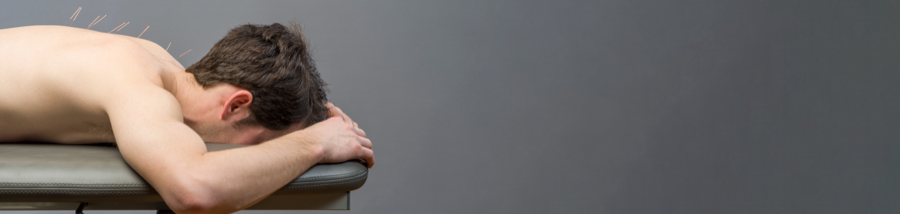
Acupuncture has been used in Traditional Chinese Medicine (TCM) for thousands of years. Traditionally, practitioners understood health through the balance and flow of Qi and Blood throughout the body. Specific points were identified through generations of clinical observation and experience, and acupuncture developed as a way to restore balance and support the body's natural healing processes.
Acupuncture
Basic Acupuncture
Traditional Perspective
How Was Acupuncture Developed?
Modern Scientific Perspective
How Does Acupuncture Work?
From a modern scientific perspective, acupuncture is thought to stimulate nerves, muscles and connective tissues, triggering physiological responses in the body. Research suggests that acupuncture may influence the nervous system, pain-processing pathways, blood flow and the release of endogenous chemicals such as endorphins. Modern research continues to investigate how these mechanisms may contribute to its clinical effects.
Your treatment journey
1
Before your treatment
What to Prepare
If you have any medical reports, examination or test results, feel free to bring them with you. They can help us better understand your condition, but they are not necessary. There is no need to arrange or obtain any reports before your appointment.
2
During your treatment
What to Expect
- Avoid coming very hungry or overly full, as either may make you feel uncomfortable, nauseous or light-headed during treatment.
- You can eat normally before your appointment — just avoid having a very large meal immediately beforehand.
- Acupuncture points may be located around the knees, lower abdomen and upper abdomen, so comfortable clothing is recommended.
3
After your treatment
Aftercare
There are no specific aftercare restrictions for most people. You can return to your normal daily activities, including work, exercise, showering and swimming.
Some people may feel “weak” or deeply relaxed afterwards, similar to the feeling of just waking up from sleep. This is usually temporary and simply reflects a relaxed state.
Frequently asked questions
Does acupuncture hurt?
No, it doesn't hurt — it feels like a dull, tingling sensation. Occasionally you may feel a brief sharp pain if a needle touches a pore or capillary; this is harmless and rare. If you feel a sharp pain while the needles are being inserted, let your practitioner know and it will be readjusted.
Is bruising normal? Does it mean anything?
It's not common, but it can happen depending on your skin type and how sensitive it is. If a needle touches a capillary it may cause a small bruise, but there's nothing to worry about — it clears on its own, and you can cover it with make-up if needed.
Is acupuncture dangerous?
It can be, if needles are placed incorrectly. An unqualified acupuncturist may also place needles too shallowly, which effectively gives a placebo treatment — a waste of time and money. This is why it's important to see a properly qualified practitioner.
How often should I have treatment, and how long is a full course?
Generally, treatment can be done 1–3 times per week depending on how severe the condition is. Pain-relief treatment has no fixed total number — you decide to stop once the pain is manageable enough not to need more. Chronic conditions may need a longer course for longer-lasting effect.
Book your Basic Acupuncture
Our experienced TCM practitioners are here to help.